Which Feels More Natural: Implants or Dentures? A Cudahy Guide
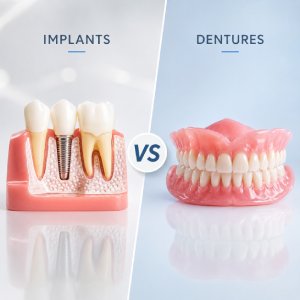
Losing teeth changes how your mouth feels every day, not just how it looks. Patients often ask us the same question: "Which option will feel the most natural when I am eating, talking, and living my normal life?" If you are researching dental implants in Cudahy, it helps to define what "natural" really means and compare that to what dentures are designed to do.
In our previous blog, "Implants vs Bridges vs Dentures in Cudahy: Choose Well," we discussed how these options compare overall. In this article, we focus only on the lived experience: implants vs dentures, day to day.
TL;DR - The "Most Natural" Option Is Usually the One That Stays Put
Most people define a natural feel as stable chewing, clear speech, comfortable fit, and simple cleaning. Implants are fixed, while dentures are removable, so the day-to-day experience is often different even when both options look great.
- Stability: implants are designed to stay in place; dentures can shift, especially early on.
- Chewing confidence: implants often feel more like biting with a tooth; dentures may need technique changes.
- Speech: dentures can take practice; implants tend to feel more familiar once healed.
- Taste and temperature: upper dentures may cover the palate; implants do not.
- Cleaning: dentures come out; implants are cleaned more like natural teeth.
What "Natural" Means When Comparing Dental Implants in Cudahy to Dentures
Patients usually are not asking about a technical definition. They are asking about everyday comfort. Here are the main "natural feel" categories we talk through at exams:
- Does it move when you eat or talk?
- Does it let you bite into foods confidently?
- Do you notice it all day, or forget it is there?
- Does it change taste or feel bulky?
- How much effort does cleaning take?
If you want a foundation on how implants work and what they are designed to restore, our dental implants page explains the basics.
Day-To-Day Feel: Implants vs Dentures in Real Life
1) Stability (The "Does It Move?" Test)
Implants: because they are fixed, many patients describe implants as feeling more secure during chewing and speaking.
Dentures: dentures are removable. Even with a good fit, some movement can happen, and follow-up adjustments are common as your mouth changes. If you have had dentures before, you may already know that stability can vary depending on the arch, fit, and daily habits.
2) Chewing and Food Choices
Implants: patients often like that they can bite and chew without the same "lift" or slide feeling that can happen with removable appliances.
Dentures: many people do very well with dentures, but it can take practice. Learning where to place food, how to chew evenly, and how to manage tougher foods is part of the adaptation period.
3) Speech and Confidence in Conversation
Implants: since they are fixed, speech typically feels more familiar once healing is complete and you are used to the shape of the restoration.
Dentures: speech can be the biggest adjustment at first. Your tongue learns new contours, and certain sounds may require practice. This often improves with time and minor fit tweaks.
4) Taste and Temperature (Especially With Upper Dentures)
Implants: implants do not cover the roof of the mouth, so many patients feel they experience food temperature and flavors more normally.
Dentures: an upper denture may cover part of the palate, which can slightly change how food tastes or feels for some patients.
5) Cleaning and Maintenance at Home
Implants: daily care is similar to natural teeth, brushing and cleaning between teeth. Your dentist may recommend specific tools depending on your situation.
Dentures: dentures come out for cleaning. You will clean the appliance and also keep gums and any remaining teeth healthy. Many patients like the simplicity of removing the denture, while others dislike having to take it out at night or after meals.
Experience insight: In our office, we often see that patients who prioritize "not thinking about their teeth all day" tend to prefer a fixed solution, while patients who want a removable option (or need to replace many teeth at once) may feel dentures fit their lifestyle better once they understand the adjustment period.
Who Typically Prefers Implants vs Dentures?
There is no one best choice for everyone. But certain preferences tend to point patients in one direction.
Implants May Be a Better Match If You Want:
- A fixed feel you do not remove to clean
- Confidence biting and chewing with less worry about movement
- A tooth-like routine for daily hygiene
- A plan that feels stable during talking, laughing, and eating out
Dentures May Be a Better Match If You Want:
- A removable option that can replace multiple teeth at once
- A non-fixed approach to tooth replacement
- A stepwise plan while you consider longer-term choices
To review denture options and what they are intended to restore, visit our partials and dentures page.
How Bite and Jaw Comfort (TMJ) Can Factor Into Your Choice
If you deal with jaw soreness, popping/clicking, or frequent headaches, tooth replacement decisions can feel even more personal. Missing teeth and bite changes can affect how forces distribute when you chew, and a poorly fitting appliance can add strain for some patients.
If TMJ symptoms are part of your story, it is worth discussing that during your exam so we can evaluate your bite and joint comfort as part of planning. You can also read more on our TMJ page.
Questions To Bring to Your Tooth Replacement Exam
Whether you are leaning toward implants or dentures, a good consultation focuses on how you live day to day.
- Which option will be the most stable for my bite and chewing habits?
- What will I notice the most in the first few weeks?
- If I choose dentures, what follow-up adjustments should I plan for?
- If I choose implants, what does long-term maintenance look like?
- Are there ways to improve denture retention, such as an implant-supported denture?
If you are looking for a general dentistry home base for exams and ongoing preventive care, our team can help you plan tooth replacement with your long-term oral health in mind.
FAQs
Many patients report that implants feel closest to natural teeth because they are fixed in place, do not come out for cleaning, and are designed to be stable during chewing and speaking. Your exact "feel" depends on your bite, gum health, and how the restoration is designed.
Not always, but there is commonly an adjustment period. Some dentures can feel bulkier at first (especially upper dentures that cover part of the palate), and fit can change over time. Follow-up adjustments are a normal part of getting comfortable.
Both options can affect speech early on. Dentures may require practice as your tongue adapts to new contours. Implants are fixed and usually feel more like natural teeth once healed, but any new tooth shape can take a short time to get used to.
Your bite and jaw joint comfort can be influenced by missing teeth, tooth wear, and how an appliance fits. Some patients notice improvement when their bite is better supported, while others need more specific evaluation. If you have jaw pain, clicking, or headaches, mention it during your exam so your dentist can evaluate your bite and TMJ.
Ask which options you are a candidate for, how stable each option will be for your bite, how cleaning will work at home, what maintenance and adjustments you should plan for, and whether an implant-supported denture could improve retention for your situation.
Conclusion: Pick the Option That Matches Your Daily Routine
When patients say they want something that "feels natural," they usually mean stable, comfortable, and easy to live with. Dental implants and dentures can both restore a smile, but they deliver different day-to-day experiences because one is fixed and the other is removable.
To get a clear recommendation for your mouth and your goals, schedule an exam with Dr. C. Sanchez and our team. We will talk through stability, chewing, speech, maintenance, and any TMJ concerns so you can choose confidently.